






 petrol rationing
coal
petrol rationing
coalrationing clothes rationing and coping creative solutions to shortages utility mark and merchandise rationing and shortages after WW2


Why rationing and shortages was even worse in the UK after WW2
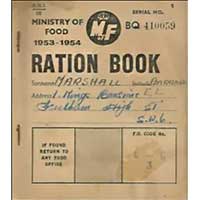
Rationing and austerity in the UK continued in an even worse state for nearly a decade after the end of World War Two, not finishing completely until 1954. This page explains the main reasons and comments on the post-war reduced diet.
____
By the webmaster based on firsthand recollections and additional research
1. The National Debt
Britain had borrowed vast sums of money to finance our part in the war, mainly from the USA, and they were seeking re-payment. It took some 50 years to pay off this National Debt - a significantly long time. We were crippled by the war and there was no money for investment afterwards.
2. The UK's new Labour Government and America's Right Wing preferences
The USA withdrew its support for Britain when a Labour government was elected in 1945. American money went to restoring Germany, but not Britain. We no longer had the powdered eggs and spam that we had enjoyed from America.
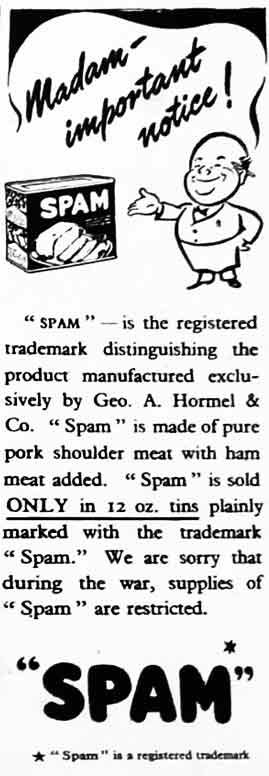
Advert for Spam in Picture Post, 1944,** pointing out that spam was made from pure pork shoulder with ham added.
The advert was hardly necessary because so little other meat was available.
3. The UK's generosity to Europe
After the end of the war with the seas safe, more food certainly did come from overseas. Australia and New Zealand were able to ship out large quantities of beef, lamb, butter and cheese; and the Irish, who did not take part in the war, were able to supply us with fresh dairy products once hostilities had ended. Yet, in an act of extreme British generosity, it was decided that we in Britain should go on a further reduced allowance in order to send supplies into war-torn Europe. Why? See the following box.
Why Britain diverted much of its imported food to Europe
By the end of the war there were millions of displaced people in Europe from slave camps and concentration camps who were starving to death and who had to be fed and made safe from infection. The problem was gigantic. Holland, Belgium, Germany and Denmark - all occupied by Germany during the war - had been reduced to starvation diets by the war. In Holland people were reduced to eating grass, and even cats and dogs. This I have since been told during visits there.
Peter Johnson
I can confirm about the displaced people after WW2. When I was teaching in the early 1960s a number of my students had United Nations passports because they had no country to call home.
Britain's reduced diet after WW2
Austerity and food shortages were so bad in the UK that it was the last country to end rationing. This was in 1954, almost a decade after the war finished.
Our protein seemed to consist entirely of beef from Argentina and corned beef from Uruguay. The beef was full of gristle as I can confirm from my 1950s school dinners.
The corned beef brand was Fray Bentos, which became a household name. There was no powdered eggs or spam from America. For more about food rationing in WW2, click the link or use the search box on the home page.
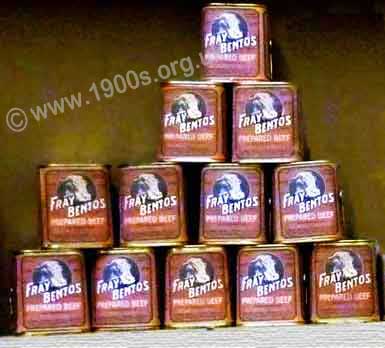
Tins of Fray Bentos corned beef, always in 12 oz tins.*
Some of my younger friends who experienced school dinners in the late 1950s and early 1960s were put off pilchards for life by the frequency with which they were served up.
If you can add anything to this page or provide a photo, I would be pleased if you would contact me.
*Photographed by the webmaster at Swansea Bay 1940s Museum
**Photographed by the webmaster at Brooklands 1940s Day
Text and images are copyright
sources: early 20th century material
sources: ww2 home front and other material
contact
the webmaster/author/researcher/editor
privacy policy

