 air raid
destroys
family home blitz damage:
statistics and
recollections attacks from
low flying
aircraft barrage
balloons skies in
air raids guns
return
fire window
protection the
blackout light from
vehicle
lamps blackout
experiences

Windows taped to protect from shattered glass in WW2 air raids
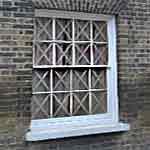
Windows were protected during WW2 to stop flying glass from bomb blast in air-raids. This page gives personal recollections to explain why and how the protection was made: the type of tape used and the alternatives of net - common on buses and trains, scrim, celluloid and walls of sandbags.
____
By the webmaster based on her early recollections with additional research and contributions
Bomb blast in air raids caused windows to shatter and glass shards to fly, causing injury to people and property and letting out the heat in cold weather.
The tape for taping windows
The most common protection was to tape windows, as shown in the following photos. The tape would keep the shards in one piece - safely although of course still unsightly.
contributed by Peter Johnson, personal recollections
Each house was provided with some rolls of gummed brown paper about 3 inches wide for sticking to the inside of all the windows from corner to corner in a diagonal pattern to prevent shards of glass from flying into the rooms in a bomb blast. Self-adhesive paper was years away. The gum on the back needed to be wetted to activate it.
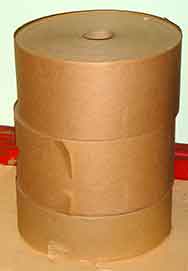
Rolls of gummed brown paper, used for sticking on windows to protect them from bomb blast.
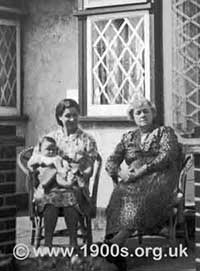
House windows taped up to prevent flying glass from bomb blasts in WW2. The photo was taken near Dover, directly below the flight path of the German bombers targeting London.
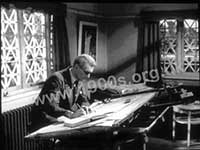
Screenshot from an old Second World War film showing taped windows.
Taping windows was voluntary. My mother said that taped windows were too depressing and chose to live with the risk.
Scrim: a common name for window tape
contributed by Robert Priddy, personal recollections
I recall that the tape on windows in World War Two was commonly referred to as 'scrim'.
[Today scrim is a very fine open net tape used, in particular, for taping cracks in walls and ceilings before plastering. I don't know whether the meaning of the word has changed, as it often does over the years, or whether Robert Pritty's family used builders' scrim.]
My recollection is that the tape used on the windows came on a reel like sellotape, but it was brown paper which was gummed on one side. The gum became sticky when moistened, just like the postage stamps of the time.
Another type of tape comes to mind. It was called 'passepartou' (French for 'fits all over'). It was used for sticking all sorts of things, like sticking shut the back of a photo frame or doubling as cheap frames for photos. It was more expensive than the brown paper variety.
Celluloid as a replacement for window glass
The ARP (Air Raids Precautions) recommended two other ways of preventing flying glass from shattered windows. One was replacing the glass with specially strengthened glass or with celluloid.
I did see celluloid replacement side windows in cars after the war was over, and it was always cloudy, yellowy and with cracks. I doubt whether anyone would have wanted it for windows of houses, and I doubt if strengthened glass was widely available or even up to the job.
Sand bags to prevent windows shattering
The ARP's other recommendation was sandbags. However well sandbags would have worked to prevent windows from shattering, they also kept out light which was very depressing. Although I saw widespread use of sandbags to protect the walls of buildings, I only ever noticed windows protected with tape.
Net mesh window protection on public transport
My experience is of living in the wider London area where a wide rather thick mesh was glued onto the windows of trains. The glue distorted the view out to such an extent that one simply didn't look out of the window. I can't remember it on buses and don't know if it happened in other city's transport. If you know, I would be grateful if you would let me know.
| sources | webmaster | contact |
Text and images are copyright
If you can add anything to this page or provide a photo, please contact me.

